

A solar project is won or lost before construction begins
Choosing a good module and a good inverter matters. It does not, on its own, produce revenue. Whether the land supports a project, whether the power can reach the grid, whether the permits will come, and how the electricity should be sold across 20 years — those judgments come first.
GRIDAEND assesses the site and designs the commercial structure. We then compare equipment, construction, and financing terms to find the combination that pays best, manage the permitting and construction schedule, and collect the quality inspection results. After commissioning we look at operations and at extending the project with an energy storage system (ESS) or virtual power plant (VPP) participation.
So the first thing we send is a report, not a quote. You see the findings first, and decide whether to proceed after that.
The five things we look at
The initial feasibility assessment covers these five items and comes back as a report. There is no charge.
| Item | What we check | Why it matters |
|---|---|---|
| Siting and regulation | Land-use zoning designation, the municipal setback ordinance, the prospect of a development activity permit, and conversion requirements for farmland or forest land | A site that cannot be permitted is not a project, however good the irradiation |
| Grid connection | Spare capacity at nearby substations and distribution lines, and the state of the grid connection queue | Connection delay is the most common reason a project stops |
| Energy yield | A yield simulation built on irradiation, orientation, and slope | Every revenue figure starts here |
| Revenue structure | Long-term fixed-price contract, spot market, PPA, and self-consumption scenarios compared, plus lease against owner-invested | The 2027 regime change makes this choice matter more than it used to |
| Financing and subsidy | Financing terms and eligibility for government support programs | These set the upfront burden and the payback period |
Swipe the table sideways to see the rest
In 2027, the way solar revenue works changes
This is why the assessment should start now.
On 20 August 2026 the National Assembly passed an amendment replacing the Renewable Portfolio Standard (RPS) with a renewable energy contract market. According to government materials, Renewable Energy Certificates (RECs) will no longer be issued to new plants from 2027. New projects will earn through one of two routes: winning a competitive tender in the contract market, or a direct PPA.
Existing plants commissioned by 2026 with a record of REC issuance keep access to the spot market under a transition period running to 2029, on the government's proposal. Commissioning date and contract type therefore split the next 20 years of revenue.
The amendment also creates a separate bidding track for small operators and a legal basis for priority grid connection for community-participation projects of 1 MW or less. Which track a project falls into, and what it has to prepare and when, differs from site to site. The assessment report sets that out for your site.
Source: National Assembly plenary passage (2026-08-20), as reported by Energy Daily, Newsis, and Korea Policy Briefing (2026-08-21). Subordinate regulations and detailed implementation rules were not yet final as of 22 August 2026, so the binding conditions are those in the official notices and the guidance of the relevant authorities.
Three commercial structures, and which one suits you
The same site favors a different structure depending on how much you can invest and what you want out of it.
| Structure | What you put in | What you get | Suits |
|---|---|---|---|
| Lease | Nothing beyond the land or the roof | Annual rent for the term of the contract | Landowners and building owners who want steady income without investing |
| Owner-invested | Capital for the plant (financing and support programs available) | Revenue from selling power, or the reduction in your electricity bill | Project owners with capital who want the full return |
| Investor-backed | The land, plus a minority equity stake | Rent plus a share of the returns | Large sites, and cases where mixed-use development is on the table |
Swipe the table sideways to see the rest
Each site type is judged on different things
Ground-mount solar
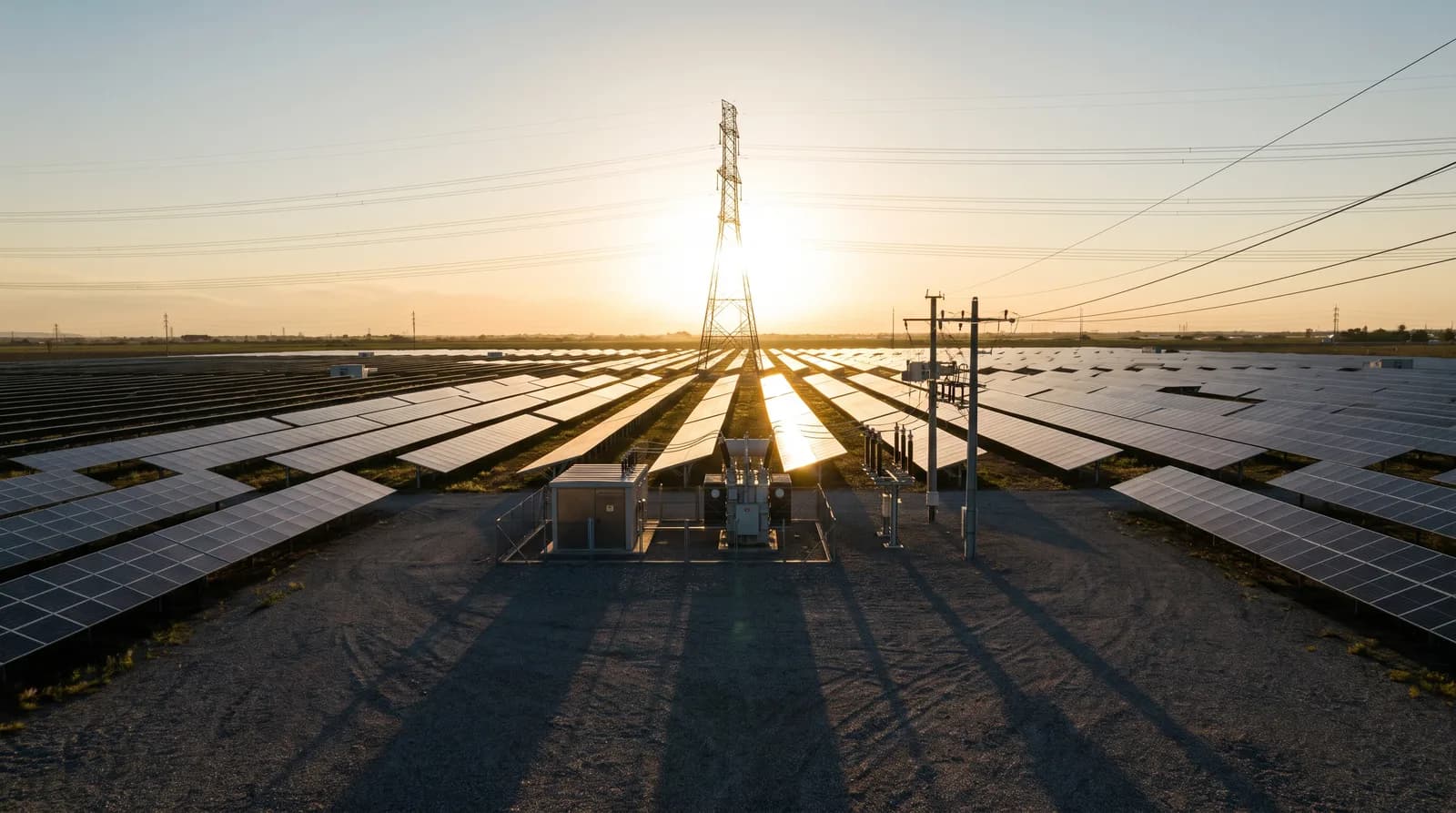
Farmland, forest land, and miscellaneous land. It comes down to the land-use zoning designation, the municipal setback ordinance, the development activity permit, and spare grid capacity.
Rooftop solar
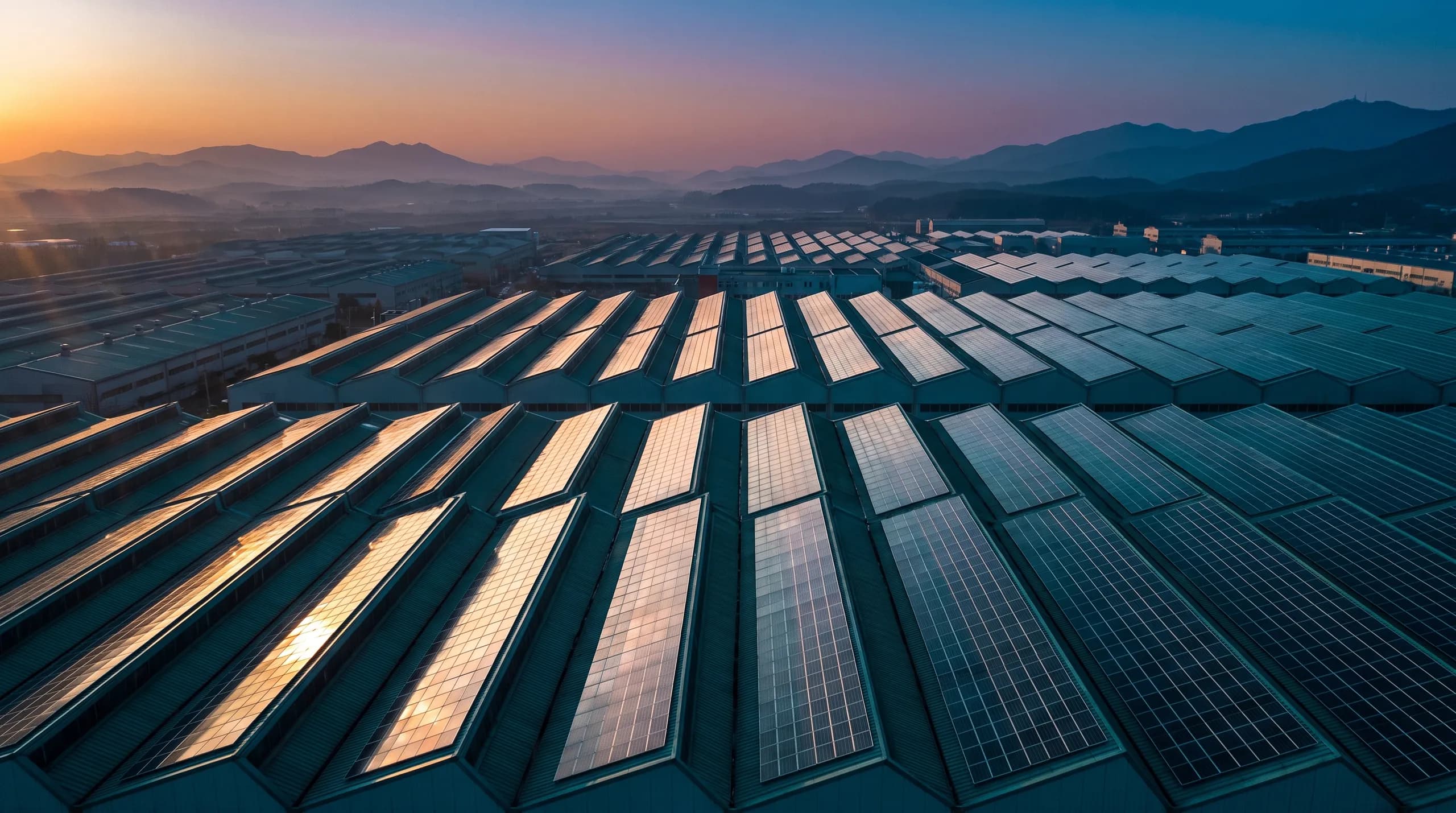
Factory, warehouse, and retail roofs. Structural capacity, responsibility for waterproofing, and the choice between leasing and investing yourself.
Solar carport
Canopy structure design, parking circulation, and integration with EV charging.
Agrivoltaics and other types
Continued-farming requirements, the permitted term of land use, and local acceptance. Repowering of aging plants sits here too.