

Landowners & building owners
We put a number on what your land can earn
Send us the land parcel number. We'll come back with a report covering permitting risk, grid connection, and projected 20-year revenue.
There is no charge.
Available to landowners, building owners, or their authorized representatives · Results come back as a report
The figures we actually use
SMP, mainland average
0.00KRW/kWh
Trading day 2026-08-26 · Korea Power Exchange
REC spot average
0KRW/REC
Trading month 2026-08
The assessment report works out what these numbers mean for your own site,
under your conditions.
Our partners


Construction and O&M partners are appointed project by project.
The company names and logos shown are trademarks of their respective owners.
Start here
Which of these are you?
Solutions
From generation to trading,
designed as one chain
- 01
PV
Generate
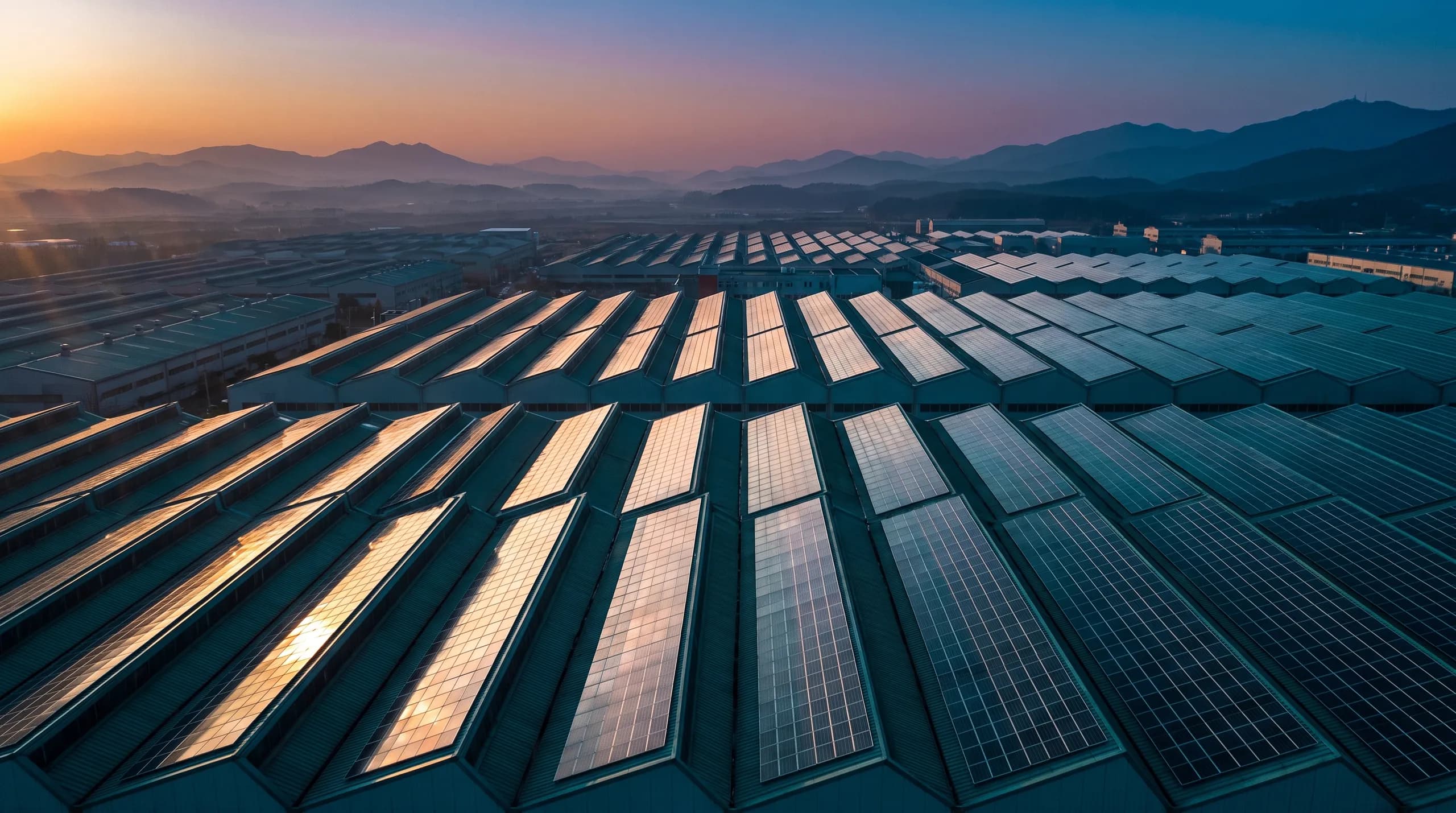
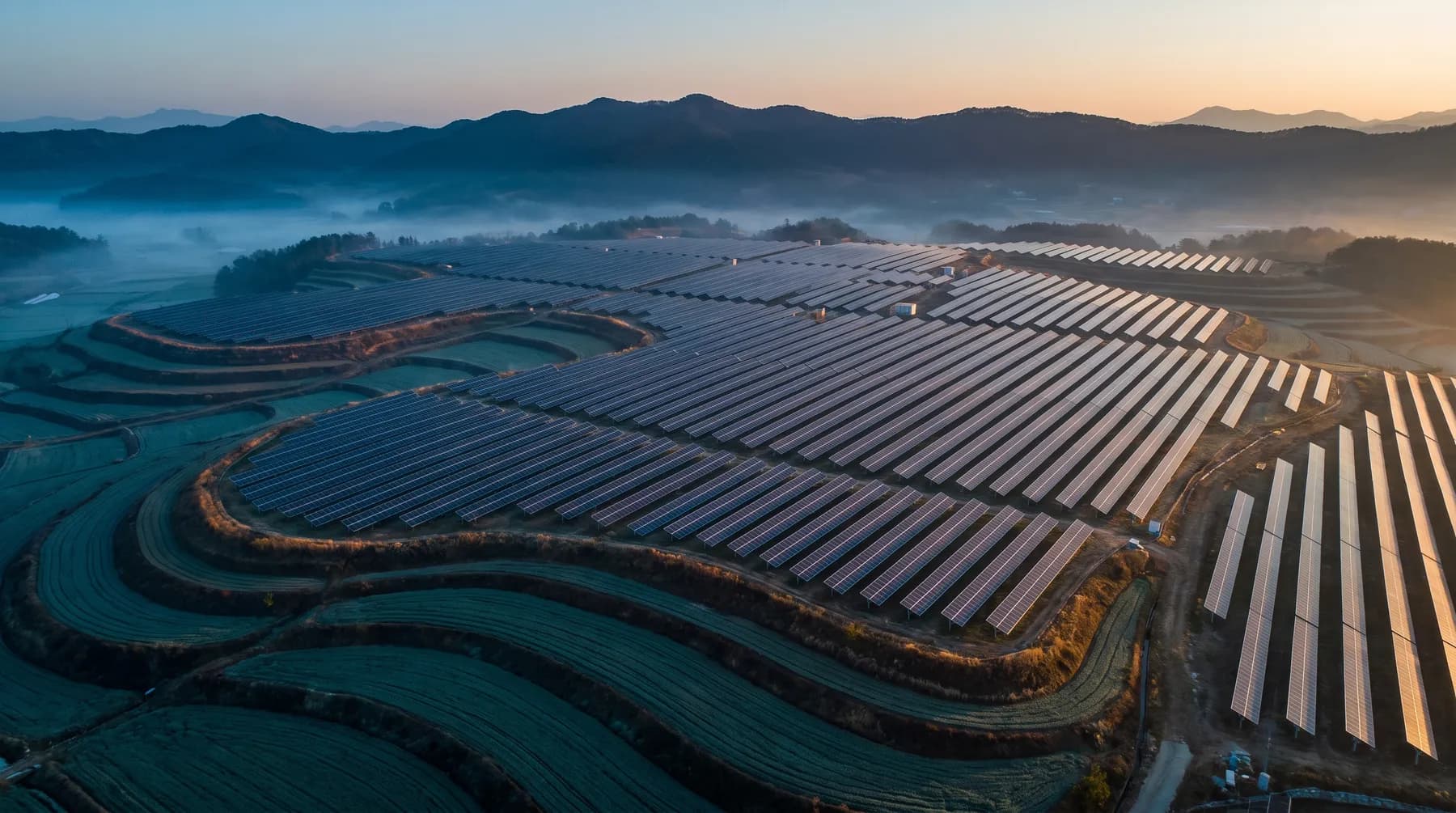
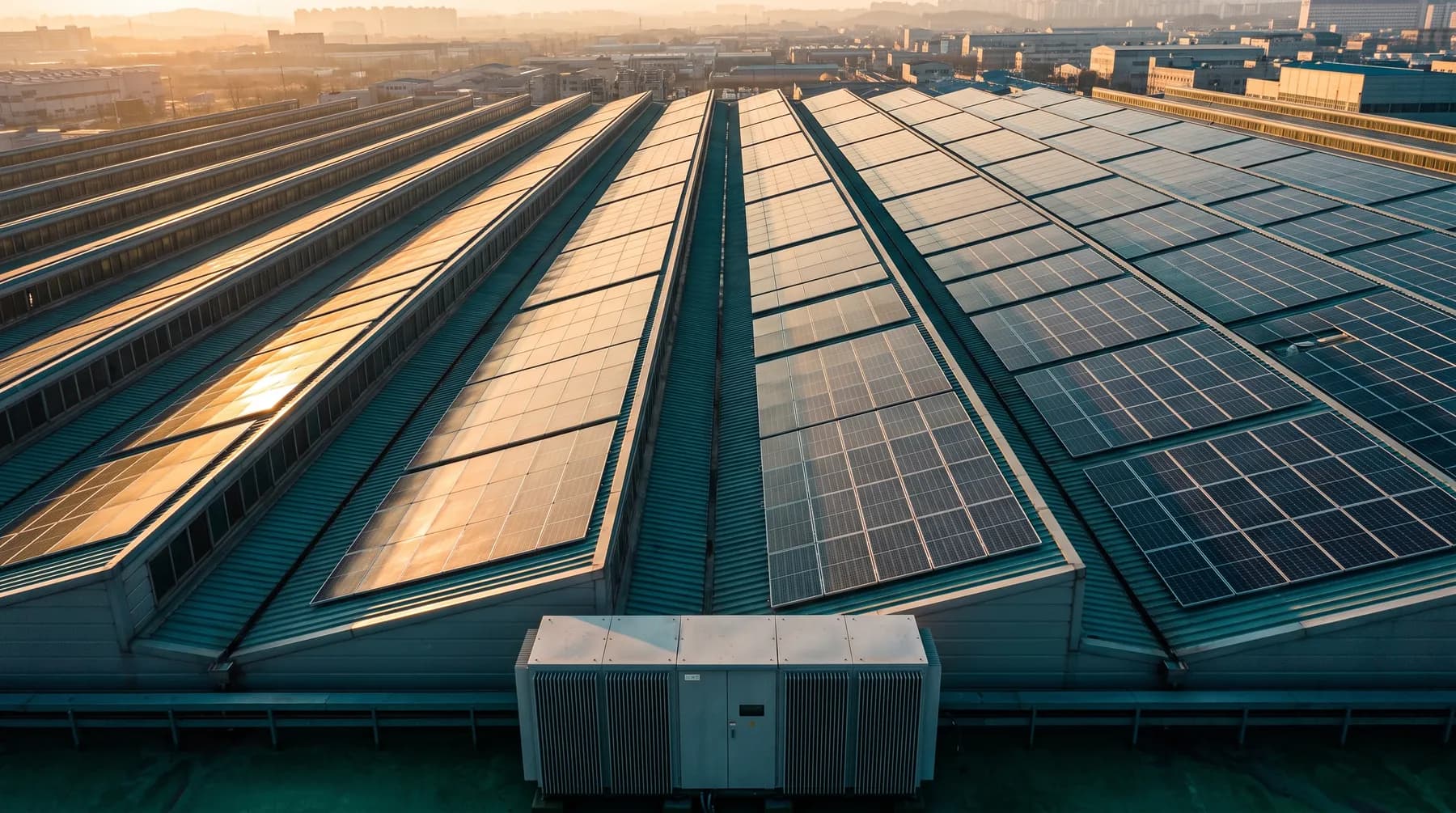
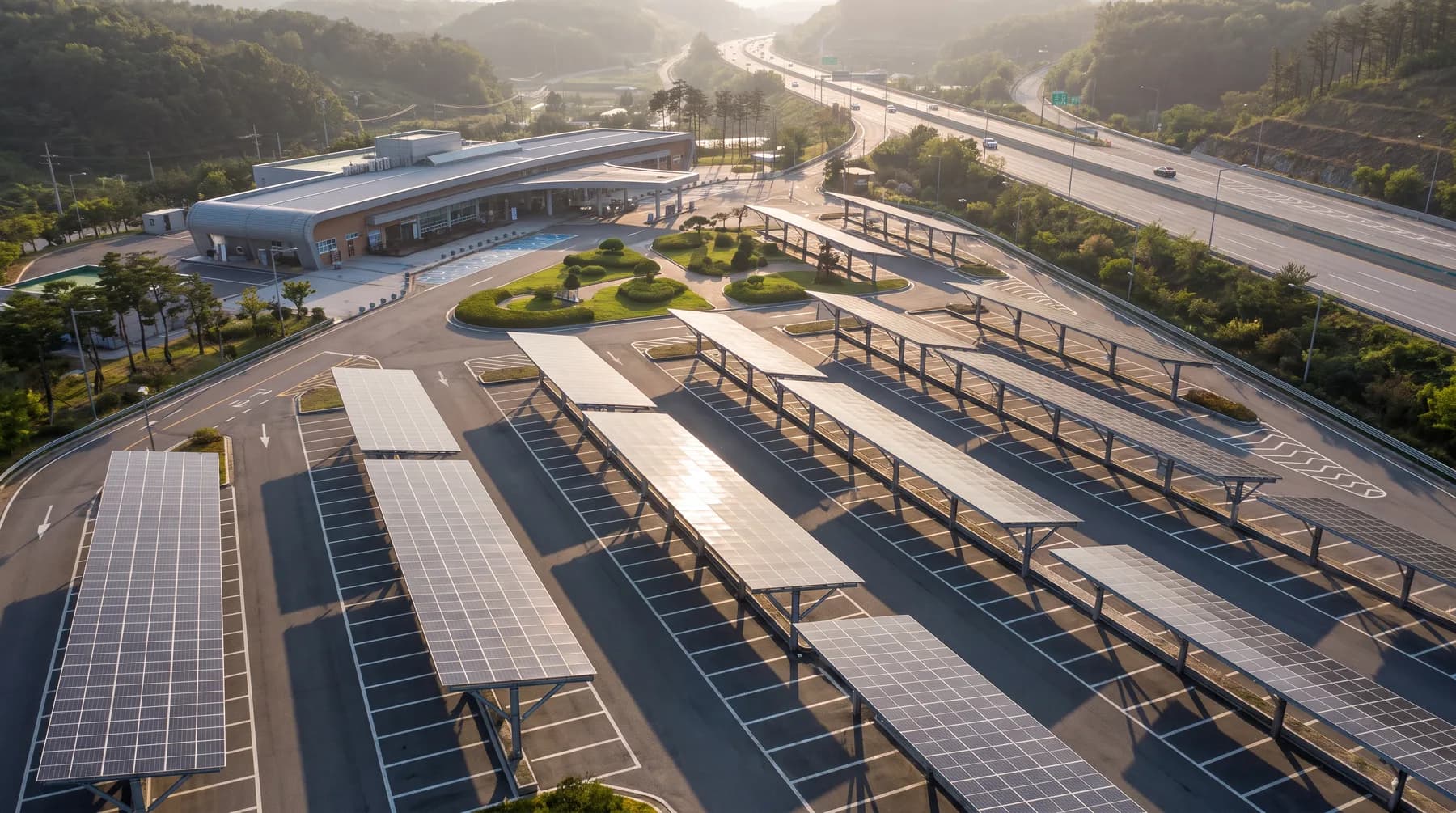
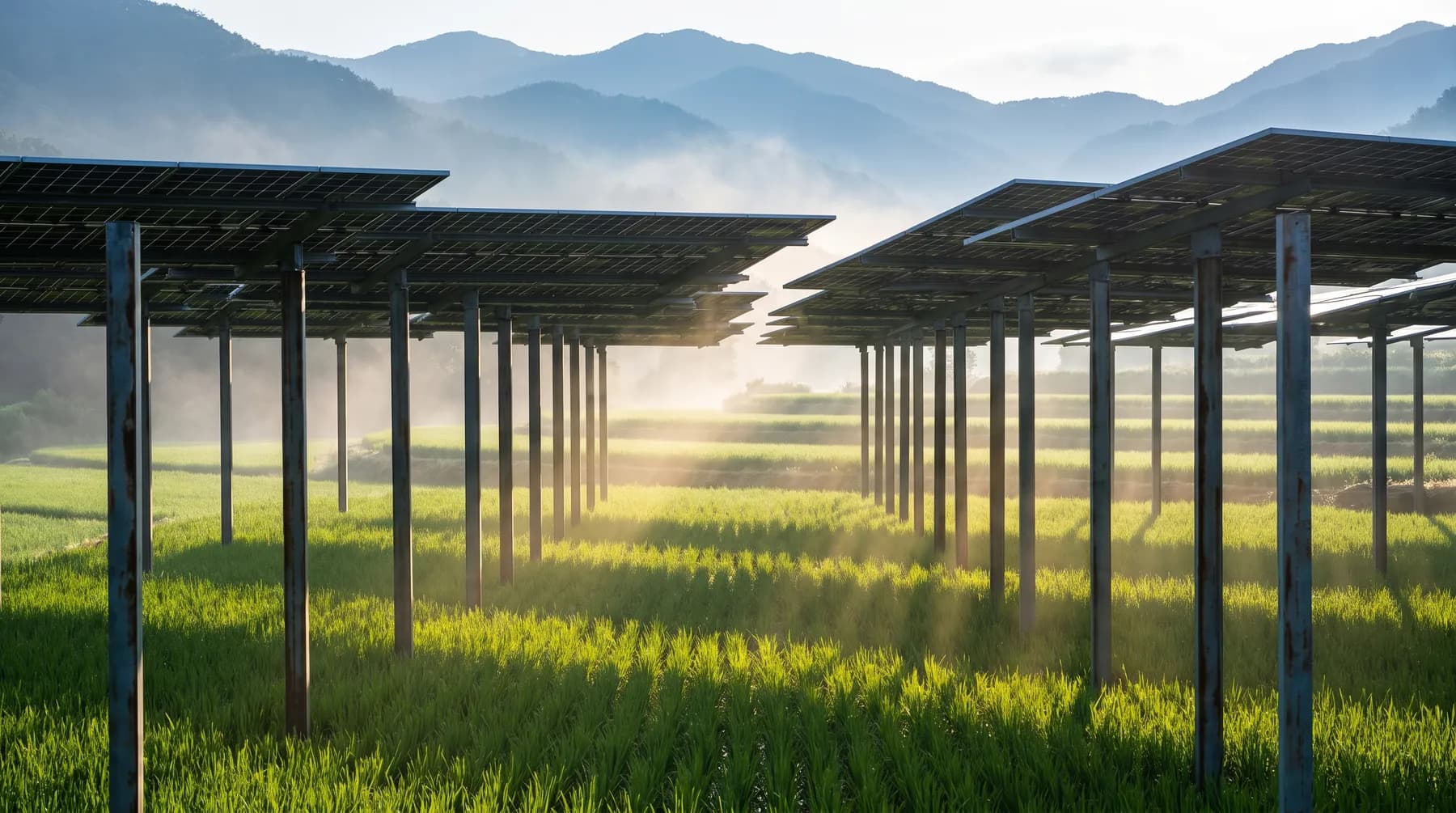
Ground-mount · rooftop · carport · BIPV
- 02
ESS
Store
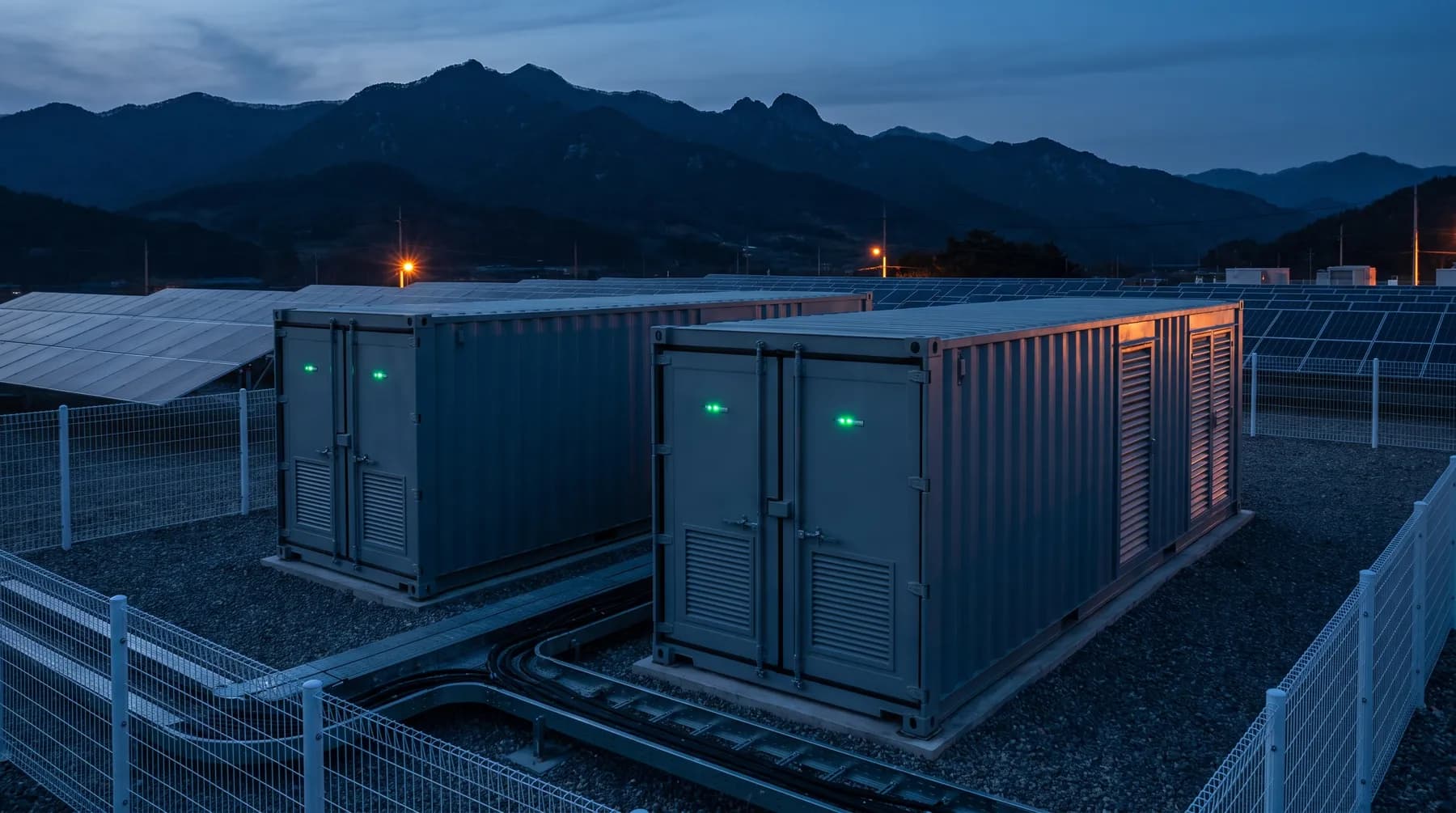
Peak shaving · self-consumption
- 03
VPP
Trade
Forecasting · bidding · settlement
- 04
ADVISORY
Advise
RE100 · PPA · electricity costs
- 05
DEVELOP
Develop
Sites · mixed-use development
Types
The installation type sets the commercial structure
Find the type that matches what you hold.

Why GRIDAEND
Equipment can be replaced.
The site cannot.
Modules and inverters can be swapped out even after commissioning.
But site conditions, spare grid capacity, and permitting requirements are settled at the very start.
The time spent on the first assessment governs the next 20 years.
Why GRIDAEND
We start from the owner's position
GRIDAEND puts EPC terms together with financing and support programs to design the combination that fits the project owner.
Not a yes or no, but what the site earns under each set of conditions
Energy yield simulation, grid connection, permitting risk, and the 20-year cash flow go into one report. If a site doesn't work, we say so. The assumptions behind the numbers are published with them.
We put the terms side by side
A single proposal gives you nothing to measure it against. GRIDAEND collects competitive bids from the partner consortium and lays unit price, contract terms, and defect liability warranty out in one comparison table. Financing and government support programs go on top of that, so you can see which combination brings the total project cost down. You make the choice. The point of contact stays the same.
Our scope ends at operations, not at commissioning
A power plant is an asset that runs for more than 20 years. After commissioning we monitor energy yield and settlement records, and keep checking whether ESS or VPP opens another revenue route. The name says it: we start at the grid and stay to the end.
- Items assessed
- 0
- Site · grid · yield · revenue · funding
- Turnaround
- 0 business days
- Sent as a report
- Assessment fee
- KRW 0
- Landowners, building owners, or their authorized representatives
- Site types
- 0
- Ground-mount · rooftop · carport · agrivoltaics · BIPV · ESS
Process
We publish all seven stages of our scope
You can check where things stand at any time.
- 01Assess
Site intake
Same dayThe address and a way to reach you is all we need. We pull the cadastral record, the land-use zoning designation, and satellite imagery ourselves.
What you receive · Confirmation of receipt
- 02Assess
Free feasibility assessment
Within about five business daysFive items in one pass: site and regulation, grid connection, energy yield, revenue structure, and funding.
What you receive · Initial assessment report
- 03Assess
Commercial structure proposal
About one weekWe set the 20-year cash flow of the roof lease model, the owner-invested model, and the outside-investment model side by side.
What you receive · Structure proposal
- 04Execute
EPC and equipment selection
Varies by siteWe take the terms from the partner consortium and lay them out on one sheet: unit price, contract terms, and defect liability warranty.
What you receive · Comparison sheet · recommendation
- 05Execute
Financing and support programs
Runs alongside stage 4We find the government support programs the project qualifies for and the funding routes that lower the upfront burden.
What you receive · Funding plan
- 06Execute
Permitting and construction management
Varies by size and local governmentWe manage the administrative process, from the electricity business licence through to pre-use inspection. We then collect the quality checks carried out by the supervising engineer and the contractor, and report them to you.
What you receive · Progress report
- 07Operate
Operations, settlement, expansion
OngoingAfter commissioning we watch energy yield and assess whether ESS or VPP opens another revenue route.
What you receive · Operating report
Data
We work from market data
These are the figures we actually use in our assessments, published as-is.
Market data
Latest confirmed market figures
The rules are changing
View all →RPS ends, a contract market begins: what new projects need to prepare
An amendment passed by the National Assembly on 20 August 2026 replaces the Renewable Portfolio Standard (RPS) with a renewable energy contract market. From 2027, new installations no longer receive Renewable Energy Certificates (RECs), and the commissioning date and contract route decide the revenue structure for 20 years.
Roof lease or owner-invested: which one suits your factory
The two rooftop solar structures compared on upfront investment, the form the return takes, who carries which responsibility, and whether the output can count toward RE100. Which one wins depends on how much power you use and how much you can invest.
SMP and REC, plainly: where solar revenue actually comes from
The two halves of solar revenue in Korea — the System Marginal Price and Renewable Energy Certificates — from the definitions through recent prices, and what changes once the market reform lands in 2027.
RE100
RE100 is already on supplier scorecards
Global buyers are pushing their renewable procurement requirements down to tier-1 and tier-2 suppliers.
Self-consumption, a PPA, or REC purchase — we work out which route costs least from twelve months of your electricity bills.
Revenue
There is more than one revenue structure
We don't promise a fixed rate of return. We publish how the numbers were reached.
Revenue
What you take away
Lease income
You provide the land or the roof, invest nothing, and receive rent for the term of the contract. Operating responsibility sits with the operator.
Power sales
You invest yourself and sell the electricity you generate. Depending on the contract, the price can be fixed for the long term.
Lower electricity bills
Power you generate and use on site never reaches the bill. The more you use, the more you save.
Equity and project returns
On larger sites, an equity structure lets you take a share of the project return on top of the rent.
Added ESS and VPP income
After commissioning, adding storage or joining an aggregated resource opens one more revenue route.
Support programs and financing
We find the government support programs and financing terms the project qualifies for. That brings down the upfront burden and the interest cost.
Actual amounts and rates of return vary with the conditions of the site. The assessment report calculates them for your site.
Free assessment
It starts with one line: the site address.
Leave the address and a way to reach you. We send back an initial assessment report within about five business days.
If the site stands up as a project, the report also sets out competitive EPC bids and financing terms.
Available to landowners, building owners, or their authorized representatives · Results come back as a report