
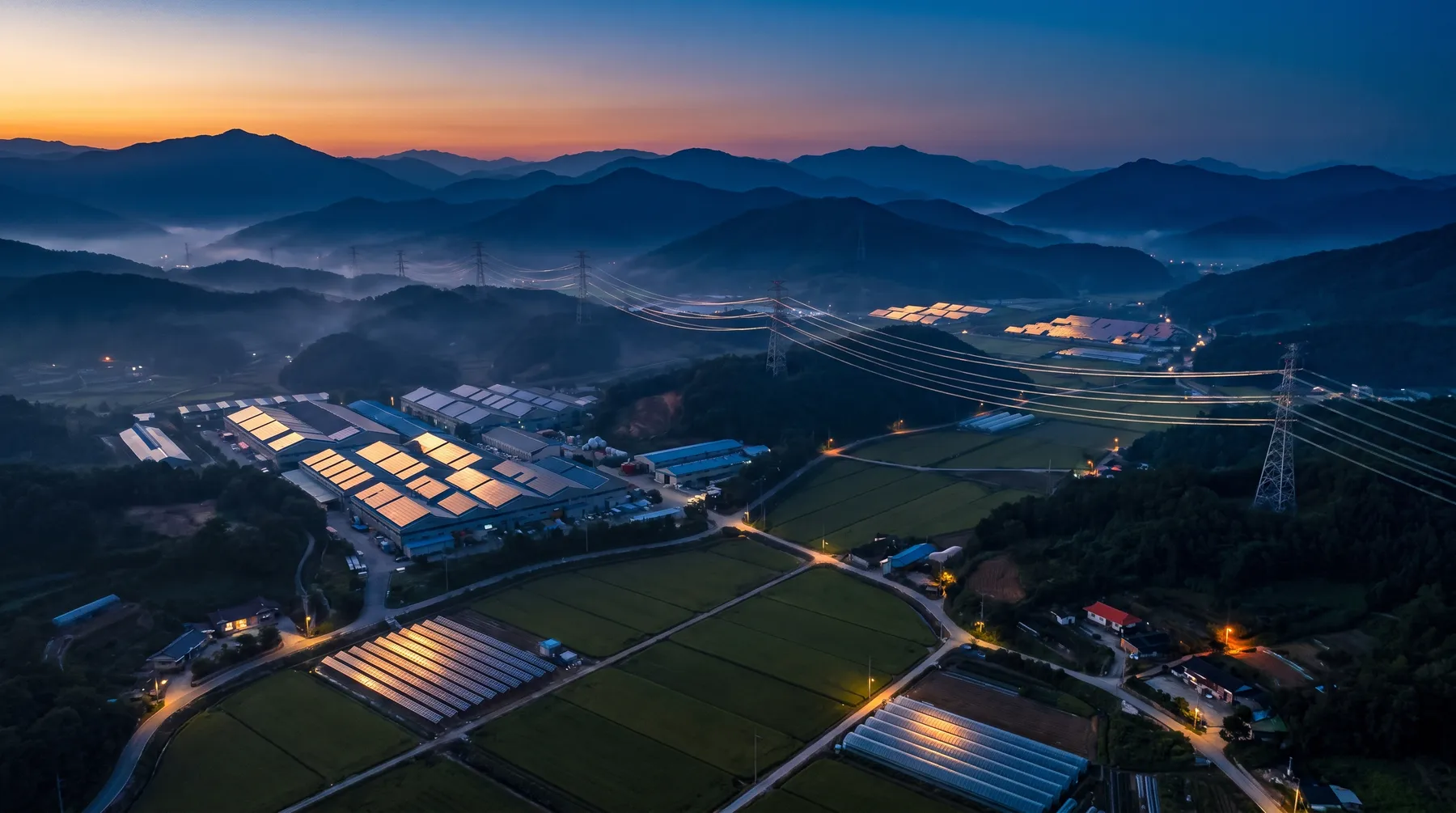
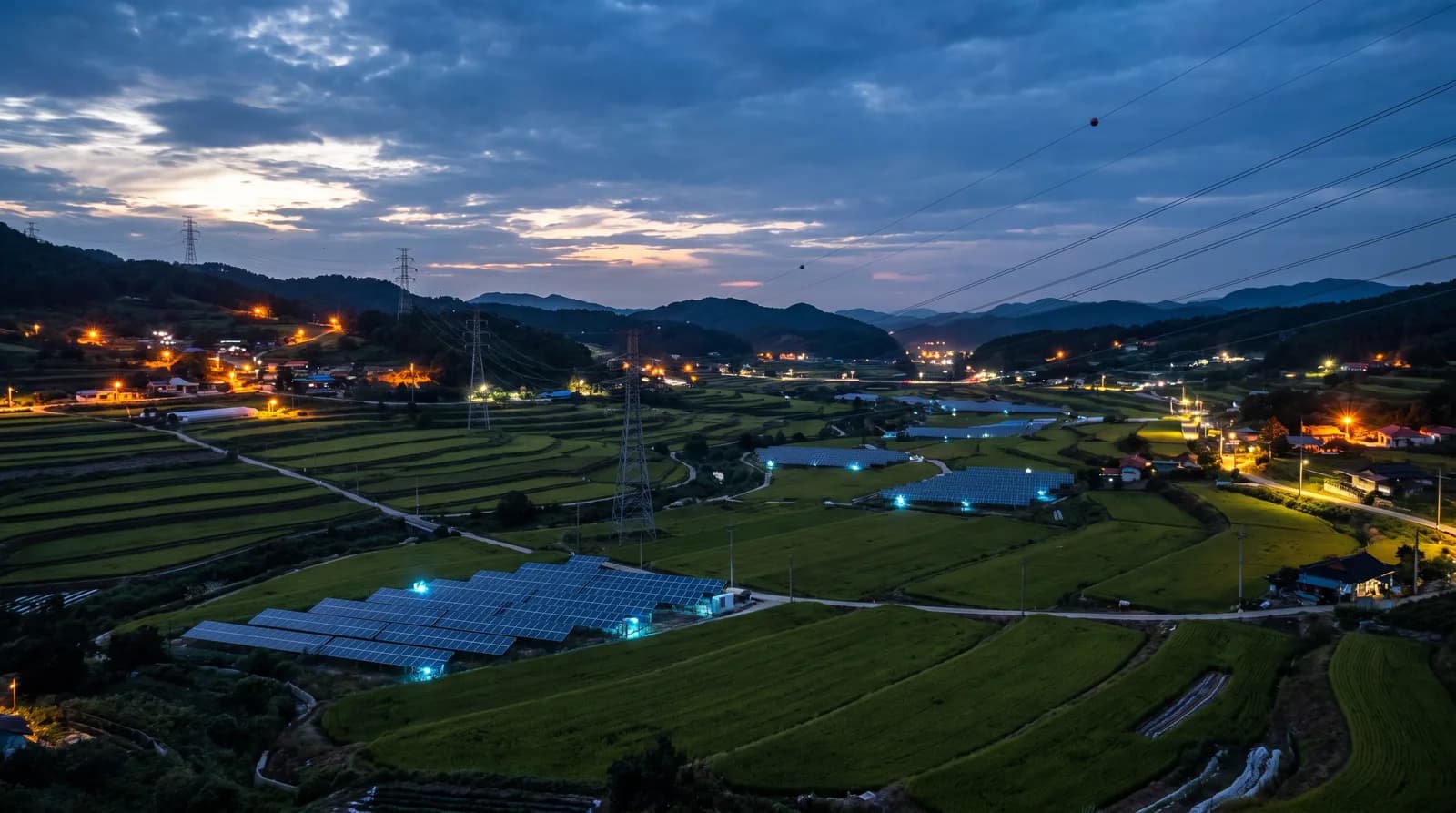
Photograph of a landscape dotted with small solar installations

Virtual Power Plant

VPP & Power Trading
Small generators, aggregated into one tradable resource

Scattered small solar plants and storage systems are tied together in software, then operated and traded as though they were one power station.
For a plant already running, it is a further revenue route.

A virtual power plant (VPP) links distributed resources — small solar plants, storage systems — through communications and software so they can be forecast, bid, and settled as a single power station, which is what lets small operators reach the power market at all.

A virtual power plant (VPP) links distributed resources — small solar plants, storage systems — through communications and software so they can be forecast, bid, and settled as a single power station, which is what lets small operators reach the power market at all.

Site photograph related to VPP & Power Trading
Small generators bundled into a single aggregated resource and traded as one

Why VPP, and why now

Most plants are too small to enter the power market on their own. A VPP gathers those resources until they reach the size and the forecast accuracy the market demands.

The rules are moving the same way. From 2027, new plants have to earn through a contract market award or a direct PPA rather than through RECs. Under the government's proposal, plants of 1 MW and above have a route into the general tender as part of an aggregated resource. The basic unit of the market is becoming the bundle, not the individual plant.

For a plant already in operation, participation can be assessed without building anything new. Meeting the metering and communications requirements is where it starts.

Source: National Assembly plenary passage (2026-08-20), as reported by Energy Daily, Newsis, and Korea Policy Briefing (2026-08-21). The detailed participation requirements and settlement terms will be fixed by subordinate regulations and market rules.

Where the revenue comes from

  • Forecast settlement

    If the gap between the day-ahead forecast and the actual energy yield stays within the threshold, a settlement payment follows. Forecasting accuracy is the revenue.

  • Bidding as an aggregated resource

    Several plants are bundled to reach the size the market requires, and the bundle bids.

  • Running with storage

    Adding storage to the bundle gives it controllable output, which widens the set of markets it can enter.

  • Better operations

    Integrated monitoring catches faults and performance loss early, so less is lost.

What participation requires

ItemWhat is checked
Plant sizeThe capacity of the plants you hold, how many sites, and when each was commissioned
MeteringWhether a meter capable of real-time measurement is installed
CommunicationsA line able to transmit energy yield data in real time
Existing contractsHow you currently sell power, the contract terms, and whether they bar participation elsewhere
Operating historyWhether historical energy yield data exists — it helps forecast accuracy

Swipe the table sideways to see the rest

What GRIDAEND does

GRIDAEND is not a power trading operator. We assess whether your plant meets the participation requirements, connect you to the trading operators and platforms that fit, and compare the contract terms for you.

Settlement split, contract term, and termination conditions differ from one trading operator to the next. Only by putting them side by side can you see what actually reaches you.

We are preparing the VPP service for full operation in 2027. For now our support centers on assessing eligibility and making the connection.

That roadmap is GRIDAEND's business plan, not a fixed schedule.

Benefit

What you get out of this

Revenue

Where the revenue comes from

  • More revenue from an existing plant

    Nothing new has to be built. Meeting the participation requirements is enough to open another revenue route.

  • Ready for the regime change

    You can prepare the aggregated-resource route before the shift to the contract market in 2027.

  • Fewer operating losses

    Integrated monitoring catches faults and performance loss early, so less generation is lost.

  • Terms compared

    Settlement splits and contract terms are compared across trading operators so you can take the better one.

Actual amounts and rates of return vary with the conditions at the site. The assessment report works them out for your site.

FAQ

Frequently asked questions

The questions we are asked most about VPP & Power Trading.

You confirm the plant's size and its metering and communications, then contract with a power trading operator. GRIDAEND helps with the eligibility assessment, the introduction to operators, and the comparison of contract terms.

It depends on the form of the contract. How you currently sell, the contract terms, and whether they bar participation elsewhere all have to be checked first, and we set that out during the assessment.

It varies with capacity, forecast accuracy, and the settlement split agreed with the trading operator. We cannot promise a fixed figure. We assess your equipment as it stands and give you an expected range.

Free assessment

It starts with one line: the site address.

Leave the address and a way to reach you. We send back an initial assessment report within about five business days.
If the site stands up as a project, the report also sets out competitive EPC bids and financing terms.

Available to landowners, building owners, or their authorized representatives · Results come back as a report