
Real Estate Development

Real Estate Development
Sites and buildings developed with energy built in

Planning and development consulting that raises what a site or a building is worth by building solar and storage into it.
Energy revenue and property value are designed together.

GRIDAEND's real estate development work is a planning and feasibility service: it combines energy equipment such as solar and storage with idle land and aging buildings so that lease or sale value and operating income rise together.

GRIDAEND's real estate development work is a planning and feasibility service: it combines energy equipment such as solar and storage with idle land and aging buildings so that lease or sale value and operating income rise together.

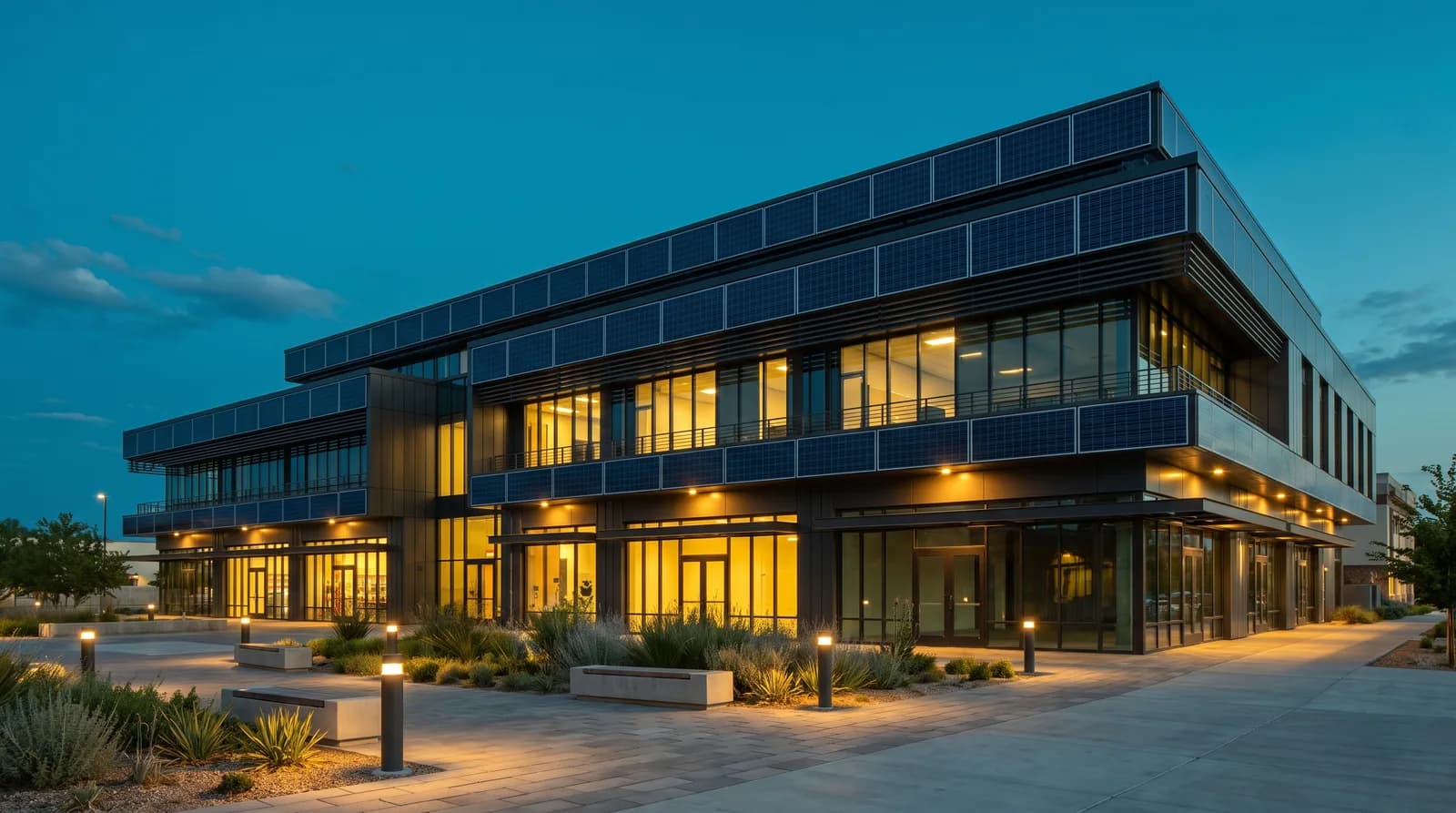
Site photograph related to Real Estate Development
Energy equipment built into the development of sites and buildings

Real estate development is an adjacent field for us

GRIDAEND's main business is energy, built around solar. Real estate development is where we extend that capability. It is registered as real estate development and supply on our business registration, and included in the objects clause of our articles of incorporation.

What we do is not to act as developer ourselves. We calculate the energy potential a site or a building holds and feed it into the development plan. Adding solar revenue changes the project's economics, and sometimes that difference is what decides whether the project happens at all.

What we assess

  • Logistics centers and industrial estate sites

    Large roofs and parking areas used together, with the energy revenue written into the development plan.

  • Refurbishment of aging buildings

    Applying BIPV when the façade is being replaced displaces the cladding cost while securing the energy performance.

  • Idle local government and public land

    Underused public sites, assessed in combination with community-participation generation projects.

  • Sites already earmarked for development

    Building the energy equipment in from the permitting stage beats adding it later, on both cost and performance.

What GRIDAEND does

StageWhat happens
PlanningQuantifying the energy potential of the site or building, and reviewing the equipment types and capacities that can be applied
FeasibilityProject economics with the energy revenue included, and a review of permitting and regulation
StructuringDesigning ownership and revenue — lease, owner-invested, investor-backed — and, where needed, the equity and financing structure
Partner introductionsConnecting design, construction, and financing partners, and comparing their terms

Swipe the table sideways to see the rest

Case studies will be published as projects progress. We do not disclose information on sites currently in progress.

Benefit

What you get out of this

Revenue

Where the revenue comes from

  • Better project economics

    Energy revenue built into the development plan creates income beyond the rent roll.

  • Higher building value

    A building with proven energy performance costs less to run and is valued better on lease or sale.

  • Permitting handled early

    Building obligations such as ZEB are addressed at the start of development, which reduces the risk of delay.

  • Idle assets put to work

    Even a site that cannot be developed yet can offset its holding cost with generation revenue.

Actual amounts and rates of return vary with the conditions at the site. The assessment report works them out for your site.

FAQ

Frequently asked questions

The questions we are asked most about Real Estate Development.

No. We handle planning, feasibility, structuring, and partner introductions. Development and construction are carried out by partners in those fields.

Early is better. The energy equipment has to be built in before permitting and design are fixed if it is going to work on both cost and performance.

Yes. We assess the use of idle public land and community-participation structures together.

Free assessment

It starts with one line: the site address.

Leave the address and a way to reach you. We send back an initial assessment report within about five business days.
If the site stands up as a project, the report also sets out competitive EPC bids and financing terms.

Available to landowners, building owners, or their authorized representatives · Results come back as a report